
Every farmer wants the same thing. Healthy plants. Good yield. And money spent in the right place.
But let us be honest. There are too many fertilizers in the market. Bottles, bags, promises. And the big question always is ,
Which ones actually help plant growth and which ones are just extra expense? Let’s find out.
Quick Answer
The best fertilizers for plant growth include liquid seaweed fertilizer, organic potash fertilizer, plant growth stimulants, chelated micronutrients, and water soluble NPK fertilizer. Each supports a specific stage of crop growth, from root development to fruit formation.
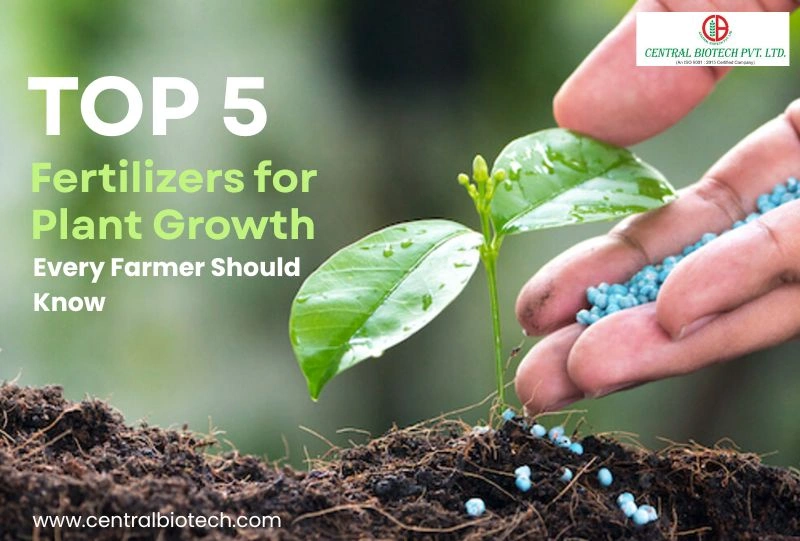
Fertilizer For Plant Growth You Must Know For Better Yield and Soil Health
Here is a quick summary of the best organic fertilizer for plant growth that helps plant grow better and healthier.
| Fertilizer Type | When Farmers Use It | Main Benefit |
| Liquid Seaweed Fertiliser | After transplanting, during stress | Stronger plants and better recovery |
| Organic Potash Fertiliser | Flowering and fruit development | Bigger fruits and better quality |
| Plant Growth Stimulants | When growth is slow or uneven | Faster and uniform plant growth |
| Chelated Micro Nutrient Fertilizer | When leaves show deficiency signs | Quick correction and healthy leaves |
| Water Soluble NPK Fertilizer | Active growth and yield stages | Fast and balanced nutrition |
Now let's understand each of these fertilizer for plant growth one by one.
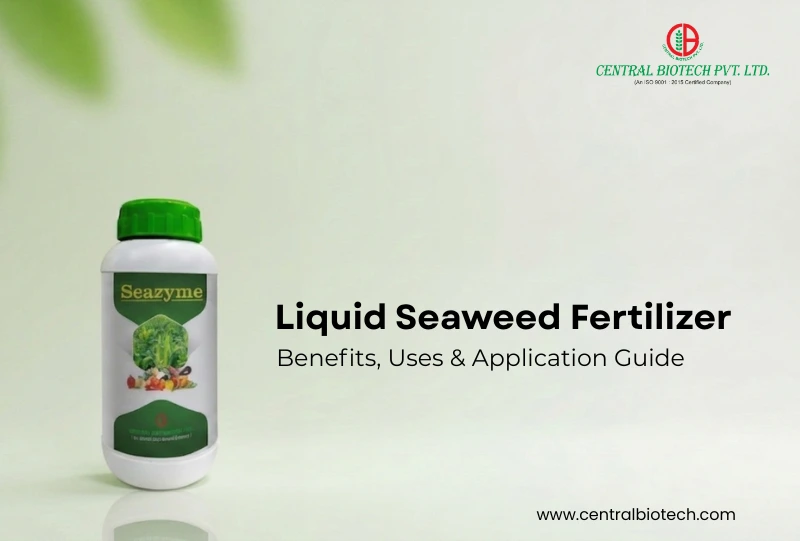
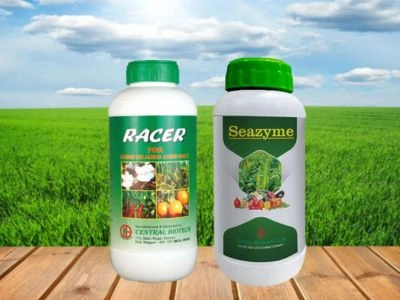
1. Liquid Seaweed Fertiliser: For Stronger Plants, Not Just Bigger Plants
Have you noticed crops slowing down after transplanting?
Leaves droop. Growth stops for a few days. Sometimes longer.
This is stress.
Liquid seaweed fertiliser helps plants handle stress better. It supports root development and overall plant strength. It does not force growth. It helps plants recover and grow naturally.
Farmers often use it when:
- Plants look weak after transplanting
- The weather changes suddenly
- Flower drop becomes a problem
A simple example.
Many vegetable farmers spray liquid seaweed 7–10 days after transplanting. Plants stand upright faster. Leaves turn greener. Growth becomes more uniform.
It works as a support system for the plant.
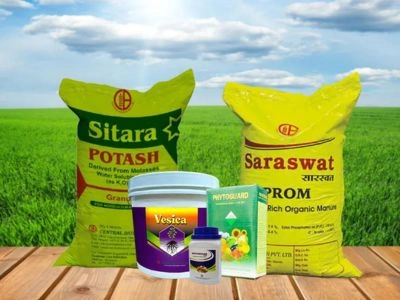
2. Organic Potash Fertiliser: When Fruits Look Small or Quality Drops
Have fruits formed but not sized properly?
Or colour and taste not up to the mark?
That usually points to potash deficiency.
Organic potash fertiliser helps in:
- Fruit size improvement
- Better colour and shine
- Improved taste and shelf life
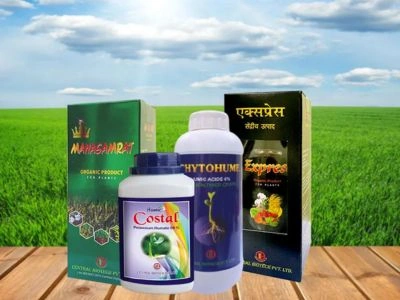
3. Plant Growth Stimulants: When Crops Look Slow Despite Good Nutrition
Sometimes farmers say,
“Fertilizer dala hai, paani bhi theek hai, phir bhi growth slow hai.”
This is where plant growth stimulants come in.
They help activate internal plant processes. Think of them as a push for metabolism.
They are commonly used:
- During early growth stages
- After stress conditions
- When plants need a boost
A common situation.
After heavy rain, crops look dull. Applying a growth stimulant helps plants restart active growth faster.
They do not replace fertilizers. They make fertilizers work better.
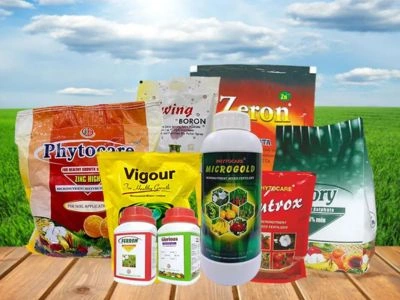
4. Chelated Micro Nutrient Fertilizer: When Leaves Show Strange Symptoms
Yellowing between veins.
New leaves looking small or distorted.
These are signs farmers often ignore at first. But these are micro nutrient deficiencies.
Chelated micro nutrient fertilizers help because nutrients are easily absorbed by plants.
They supply:
- Zinc
- Iron
- Manganese
- Copper
Farmers usually see improvement within days of foliar spray. Leaves regain colour. New growth looks healthier.
Micro nutrients are needed in small amounts. But without them, plant growth suffers badly.
5. Water Soluble NPK Fertilizer: For Quick and Balanced Nutrition
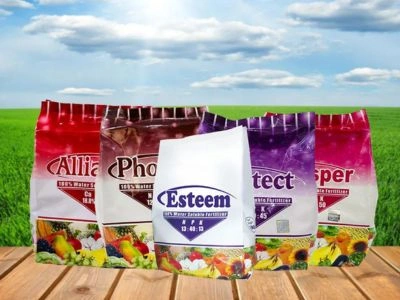
When crops need quick nutrition, water soluble NPK fertilizer is widely used.
It dissolves completely in water and is easily taken up by plants.
Used mainly for:
- Rapid vegetative growth
- Flowering support
- Yield improvement
How Farmers Can Use These Fertilizers Together
Many farmers ask,
“Should I use all of them?”
Not at once.
Each fertilizer has a role.
- Seaweed fertiliser for plant strength
- Potash for fruit quality
- Growth stimulants for slow crops
- Micro nutrients for deficiency correction
- NPK for core nutrition
Used at the right stage, they complement each other.
The key is understanding why you are applying something, not just what you are applying.
Buy Best Organic Fertilizer For Plant Growth From Central Biotech

Central Biotech serves purely organic and scientifically proven fertilizer for plant growth. Our organic fertilizers not only helps plant grow better but healthier. Choose us because:
- Our products are ISO and GMP certified
- Natural plant growth and zero chemical damage
- Competitive pricing and highly profitable for bulk orders
- Scientifically proven results
Final Thought
Your crops don’t need harmful chemicals, it needs a natural and organic stimulant like fertilizer for plant growth. Connect with us to know more about our products and choose the perfect fertilizers for your crops.