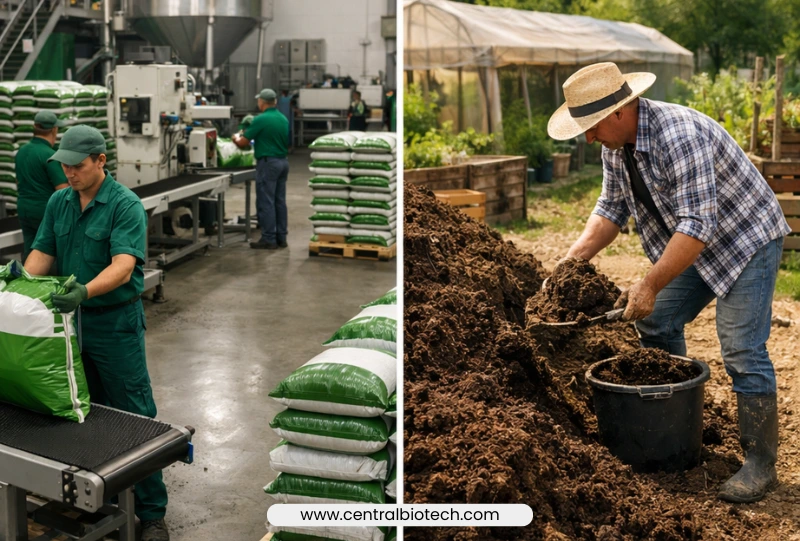

For years, farmers have relied on compost and farm manure. Local vendors supplied it. Fields responded. And the system worked well.
But farming conditions are changing.
Soil nutrients are declining. Crops demand more balanced nutrition. And farmers today are hearing more about organic fertilizers.
This is where the comparison begins.
Is traditional compost enough?
Or do organic fertilizers from specialized organic fertilizer suppliers offer something more?
Understanding this difference is important today.
The Challenge with Buying from Local Compost Vendors
Local compost has supported farming for years. Many farmers still depend on it.
But lately, some problems are becoming more visible.
One truck of compost works well. The next one gives weak results.
Why does this happen?
Compost quality often depends on how it was prepared. Sometimes the compost is not fully decomposed. Sometimes the raw material changes. Sometimes nutrients are simply not consistent.
Farmers often face issues like:
- Nutrient value is unclear
- Compost quality changes every batch
- Presence of weed seeds
- Partially decomposed material
Large quantity needed for visible results. This creates uncertainty in the field. You apply compost. But crop response is not always predictable.
And when farming already involves risks like weather and pests, uncertain inputs can make crop planning even harder.
What Are Organic Fertilizers?
Organic fertilizers are also natural. But they are processed differently. Instead of simple composting, they are prepared through controlled methods. Nutrients are stabilized. Quality is maintained.
This gives farmers something important.
Consistency.
You know what you are applying for. And crops respond more predictably.
Today, farmers can access a wider range of organic inputs, such as:
- Vermicompost
- Seaweed fertilizers
- Biofertilizers
- Organic soil conditioners
- Liquid organic nutrients
- Plant growth stimulants
Each one supports crops differently.
Some improve soil structure. Some support root growth. Some enhance flowering and yield.
How Does Buying from a Trusted Manufacturer Make a Difference?
This is where things start to change.
When fertilizers come from a trusted manufacturer, the process is more controlled. Raw materials are selected carefully. Production follows proper standards.
This means farmers get consistent quality every time.
Unlike local compost, these fertilizers are also tested for results. Nutrient levels are verified. Crop response is studied before products reach the
These fertilizers are 100% organic. No harmful chemicals. No unwanted contaminants. Manufacturers also follow certified production systems such as:
- GMP-certified production
- ISO certified quality standards
These certifications ensure proper manufacturing practices, safety, and product reliability.
For farmers, this brings more confidence.
You apply the product. You know the quality. And you can expect more predictable results in the field.
Organic Fertilizer vs Compost: What Farmers Should Know
Here is a summarized comparison between the products of an organic fertilizer supplier and a local compost vendor:
| Factor | Organic Fertilizer Supplier | Local Compost Vendor |
| Production | Controlled processing | Traditional composting |
| Nutrient Level | Tested nutrients | Uncertain nutrients |
| Quality | Consistent batches | Varies each batch |
| Purity | 100% organic inputs | Depends on raw material |
| Testing | Lab tested | Usually not tested |
| Certification | GMP & ISO standards | No formal standards |
Benefits of Organic Fertilizers for Modern Farming
So why are more farmers turning towards organic fertilizers today?
Because they solve many problems that farmers are currently facing in the field.
Organic fertilizers work in two important ways. They support soil health and they support plant growth.
Let’s look at how they help.
Improves Soil Structure
Organic fertilizers add stable organic matter to the soil. This makes soil softer and improves aeration.
Roots can grow deeper and absorb nutrients better.
Supports Soil Microbes
Healthy soil needs beneficial microbes.
Organic fertilizers help activate these microorganisms.
These microbes help break down nutrients and make them available to plants.
Better Nutrient Absorption
Many farmers apply fertilizers but crops do not respond well.
Organic fertilizers help plants absorb nutrients more efficiently. This improves overall crop performance.
So, What Should Farmers Choose?
Local compost is not the enemy.
It has supported farming for generations.
- It improves soil structure.
- It adds organic matter.
- It keeps soil alive.
But modern farming is asking for something more.
Crops today demand balanced nutrition.
Soils are under pressure. And farmers cannot afford uncertain results.
This is why many farmers are now combining both.
Use compost to improve soil health.
Use organic fertilizers to support crop nutrition. This approach brings balance to the field.
The soil becomes healthier.
Plants grow stronger. And crop performance becomes more stable.
Because in today’s farming, the goal is simple.
Buy The Best Organic Fertilizers For Your Crops
Central Biotech is India’s leading and most trusted organic fertilizer supplier. Our range of products is crafted from 100% natural raw materials to boost plant productivity and soil health. Our products include:
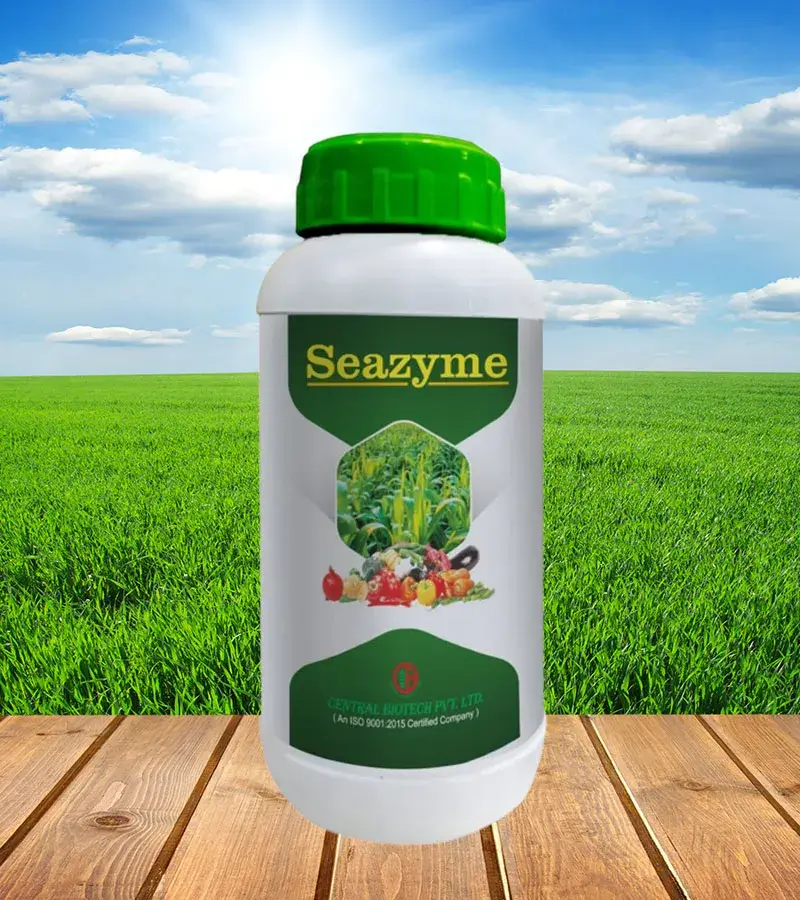
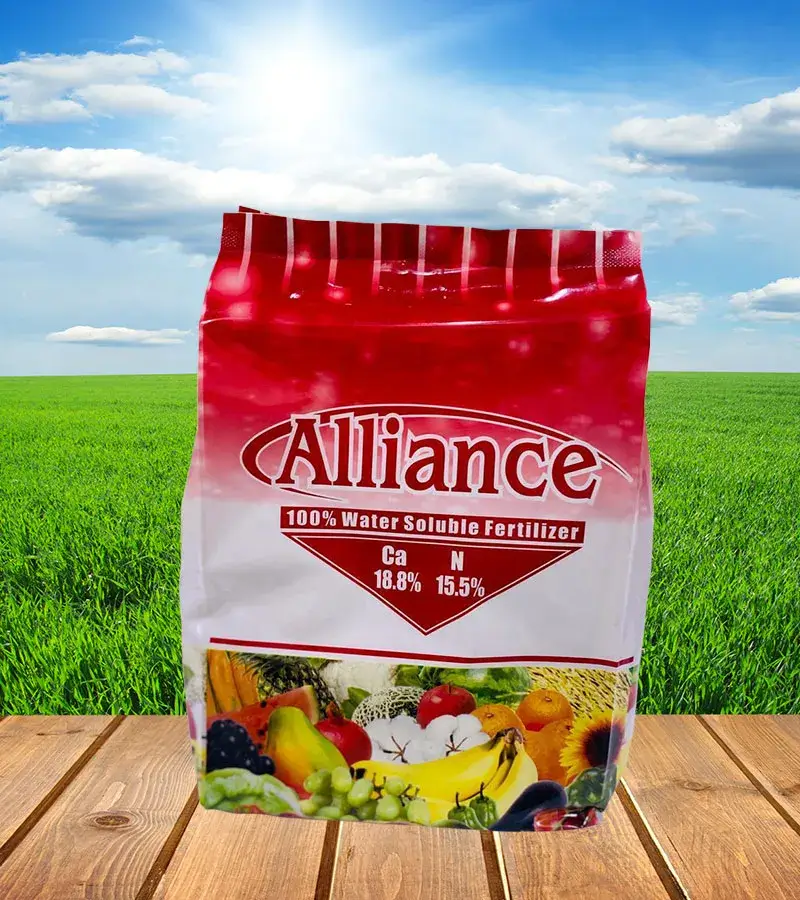
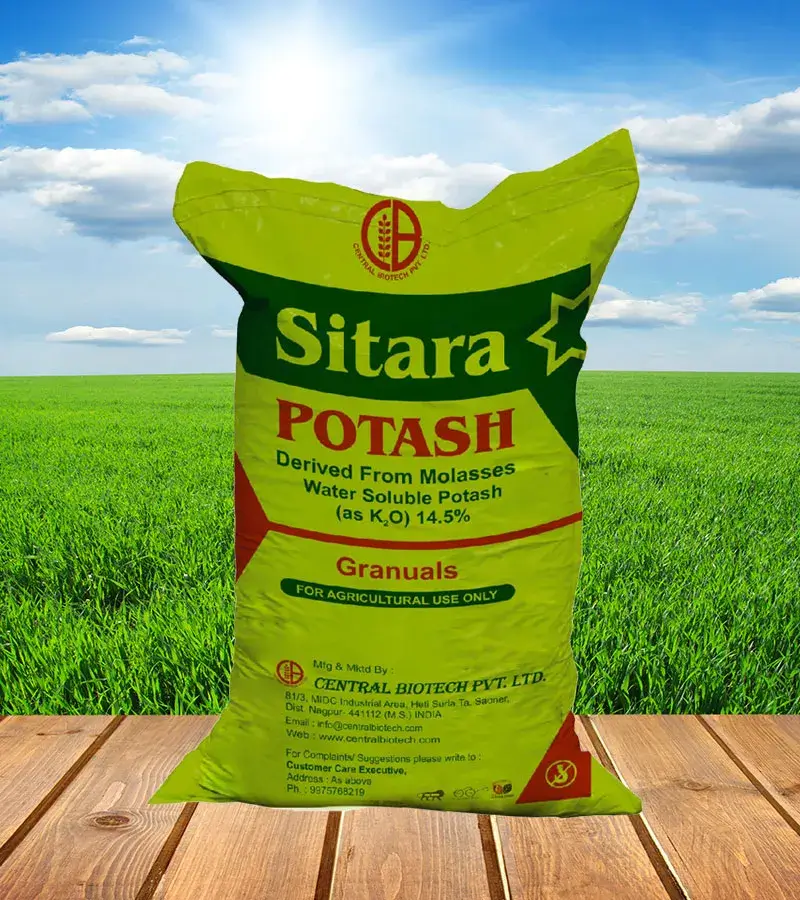
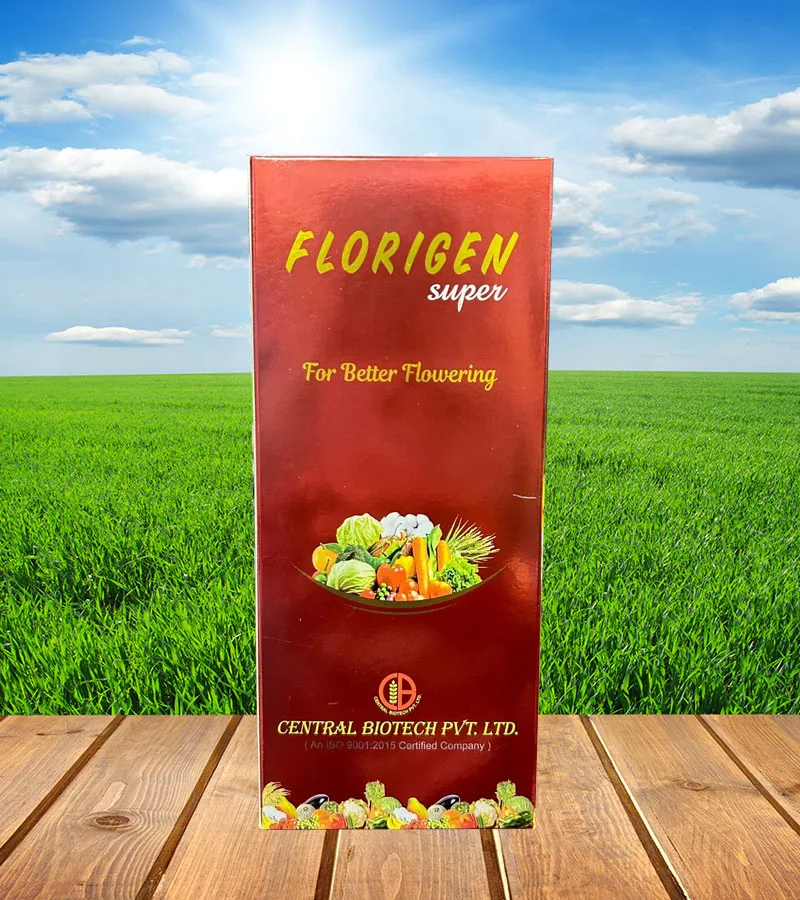
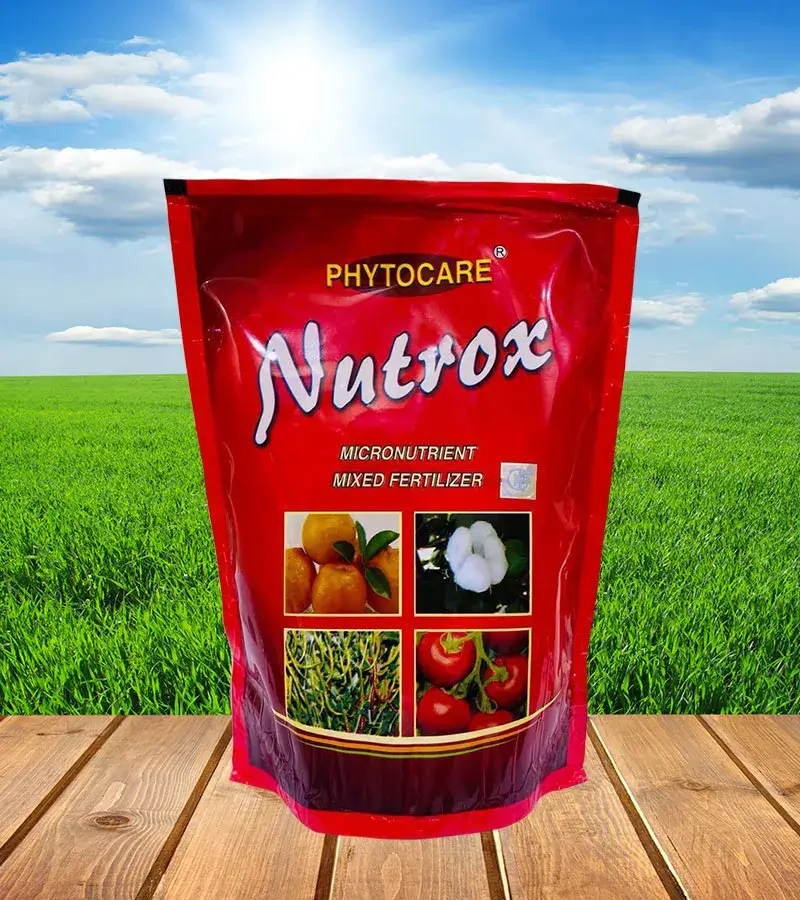
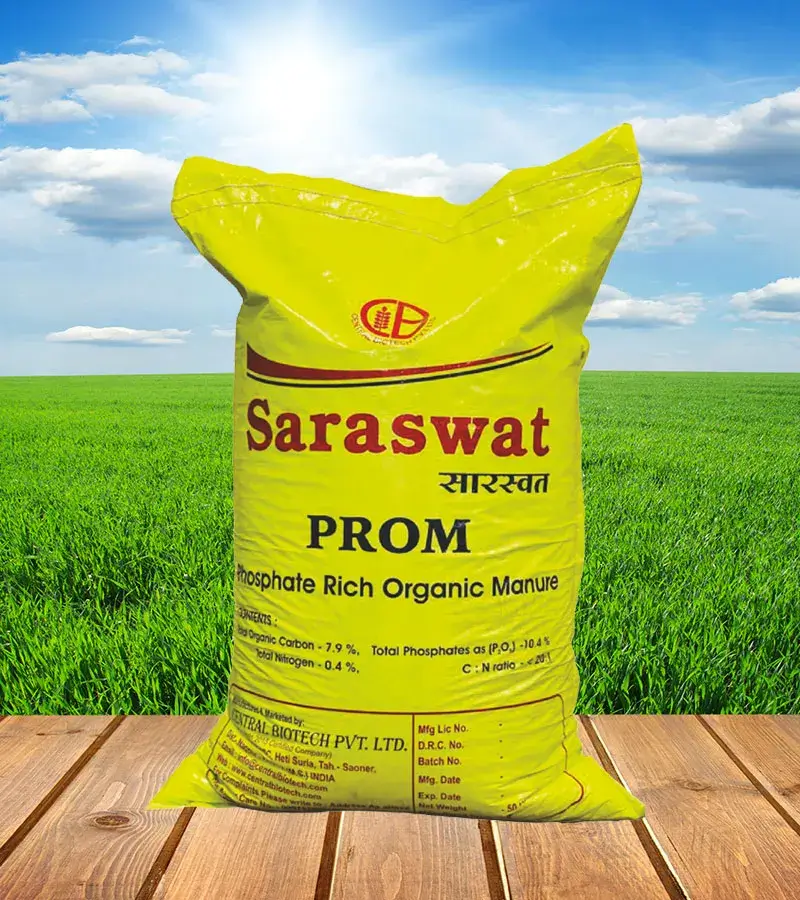
Biofertilizers
Our Products are ISO and GMP certified. It assures long-term benefits in a natural and chemical-free way.
Connect With Us Today
Modern day farming is changing. An imbalanced use of fertilizers can reduce productivity, and using chemicals in the name of fertilizers can drastically reduce soil health. So, choose an organic fertilizer supplier for natural and long-term growth. Connect with us today.